
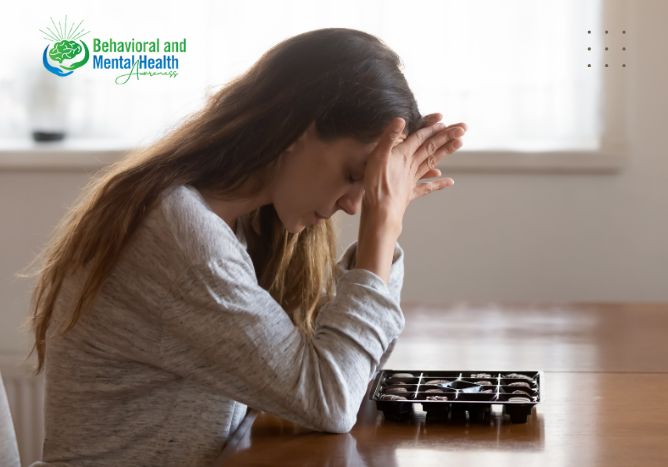
Symptoms and finding effective treatment for anxiety disorders matter because anxiety can affect both the mind and the body. Many adults live with constant worry, panic attacks, and physical symptoms of anxiety, such as a fast heartbeat or poor sleep. The good news is that the right anxiety disorder treatment can help people feel calm again and live a normal life.
Anxiety is not the same as normal stress. It can bring strong fear, deep worry, and clear emotional symptoms. These signs can make work, family life, and daily tasks feel hard. Some people also feel stomach pain, restlessness, or low focus. These are common signs of anxiety in adults.
When people learn the symptoms of anxiety disorder and know where to find help, they can take the first step toward better mental health and steady anxiety relief.
Understanding Anxiety Disorder
Anxiety disorder is a common mental health problem. Many people feel stress at times, but anxiety disorder is different. The worry does not go away easily. It stays for weeks or even months. These strong feelings can affect sleep, work, and daily life. Many adults notice signs like constant worry, fear, or panic attacks. These are early anxiety disorder symptoms that should not be ignored. When anxiety grows stronger, it can make simple tasks feel hard. Learning what anxiety is and how it affects people can help you understand why early anxiety disorder treatment is important.
How Anxiety Affects Daily Life
Anxiety can change how a person thinks, feels, and acts. Many people feel excessive worry even when there is no clear reason. Small problems may feel very big. This can make it hard to relax or enjoy daily activities.
Some people also notice physical symptoms of anxiety. These may include a rapid heartbeat, chest tightness, sweating, or stomach pain. Sleep problems are also common. When the body stays tense for a long time, it becomes hard to feel calm.
Anxiety can also affect focus. People may struggle to finish tasks or make simple choices. In social situations, social anxiety symptoms may appear. A person may avoid meeting others or speaking in groups.
Curious how social media affects mental health? Learn how online habits influence mood, sleep, self-esteem, and anxiety. Discover simple ways to use social media in a healthier, more balanced way.
Why Anxiety Disorders Are Common Today
Modern life can bring many anxiety triggers. Work stress, money worries, family problems, and health concerns can all raise stress levels. Over time, this stress can lead to signs of anxiety in adults.
Another reason is that many people ignore early symptoms. They try to handle the problem themselves. But anxiety often grows stronger without support. This is why learning about anxiety disorder symptoms and seeking professional anxiety disorder treatment can make a big difference. Early help can improve both mental health and daily life.
Common Symptoms of Anxiety Disorder
Anxiety disorder symptoms can affect the mind, the body, and daily behavior. Many people first notice constant worry or fear that does not go away. These feelings may appear even when there is no clear danger. Over time, the stress can grow stronger and begin to affect sleep, work, and relationships.
Some people experience panic attacks or sudden fear without warning. Others feel restless or tense most of the day. These are common signs of anxiety in adults. Knowing these symptoms can help people understand when anxiety is becoming a real mental health concern.
Emotional Signs of Anxiety
Emotional symptoms are often the first signs people notice. Many adults feel excessive worry about daily problems. Small issues may feel very serious. This constant stress can make a person feel tired and overwhelmed.
Irritability is another common emotional symptom. A person may become upset or frustrated very easily. Some people also feel a strong sense of fear even when nothing dangerous is happening.
People with anxiety may also feel a lack of control over their thoughts. Their mind may keep returning to the same worry. These emotional symptoms are key anxiety disorder symptoms that often lead people to seek help.
Physical Symptoms of Anxiety
Anxiety does not affect the mind only. It can also cause clear physical symptoms of anxiety. Many people notice a fast heartbeat or a tight chest. Some feel shortness of breath or dizziness.
Stomach problems are also common. Nausea, stomach pain, or loss of appetite may appear when anxiety becomes strong. Sleep problems are another sign. Many people struggle with poor sleep or wake up often at night.
These bodily reactions occur because the body remains in a state of stress for too long. Over time, these symptoms can affect daily health and comfort.
Behavioral Signs to Watch For
Anxiety can also change behavior. Some people begin to avoid certain places or situations. For example, someone with social anxiety symptoms may avoid meeting new people or speaking in public.
Restlessness is also common. A person may feel the need to move, walk, or stay busy constantly. It can also become hard to focus or finish tasks.
These changes in behavior often show that anxiety is affecting daily life. Recognizing these signs of anxiety in adults early can help people seek the right anxiety disorder treatment and support.
When Anxiety Becomes a Serious Problem
Feeling anxious sometimes is normal. But anxiety becomes a problem when it stays for a long time and starts to affect daily life. Many people feel excessive worry almost every day. The fear may appear even when there is no real danger. Over time, these anxiety disorder symptoms can affect sleep, work, and relationships.
Some people also deal with panic attacks or strong physical symptoms of anxiety, like a fast heartbeat or chest tightness. When anxiety begins to control daily choices and behavior, it may be a sign of an anxiety disorder. Understanding this stage can help people know when it is time to seek professional anxiety disorder treatment.
Signs You Should Seek Professional Help
There are several signs of anxiety in adults that show it may be time to get help. One clear sign is constant worry that does not improve. If a person feels nervous or tense most days, it can be difficult to relax.
Sleep problems are another common sign. Many people with anxiety struggle to fall asleep or wake up often during the night. Poor sleep can make stress feel even worse.
Panic attacks are also a warning sign. These sudden episodes may include a fast heartbeat, sweating, dizziness, or shortness of breath. These strong physical symptoms of anxiety can feel frightening.
If anxiety starts to affect work, family life, or social situations, professional support can help. Early care can make treatment easier and more effective.
Risks of Ignoring Anxiety Symptoms
Ignoring anxiety symptoms can make the problem worse over time. Many people try to manage stress alone, but ongoing anxiety often grows stronger.
Long-term anxiety can affect both mental and physical health. It may increase fatigue, lower focus, and reduce daily motivation. Some people also begin to avoid activities or situations because of fear.
Without support, anxiety can slowly limit a person’s life. That is why learning the symptoms of anxiety disorder and seeking the right anxiety disorder treatment can protect long-term mental health and well-being.
Effective Treatment Options for Anxiety Disorder
The good news is that anxiety can be treated. Many people see real improvement with the right care. Anxiety disorder treatment often includes therapy,
medication, and healthy daily habits. The goal is to reduce excessive worry, manage stress, and improve daily life. Treatment plans are not the same for everyone.
Mental health professionals consider a person’s symptoms, triggers, and overall health before choosing the best approach. With proper care, many people learn strong coping strategies for anxiety and gain better control over their thoughts and emotions. Early treatment can reduce both emotional and physical symptoms of anxiety.
Therapy for Anxiety
Therapy is one of the most effective ways to treat anxiety. Many professionals use cognitive behavioral therapy for anxiety. This therapy helps people understand how their thoughts affect their feelings and actions.
During sessions, people learn how to challenge negative thinking patterns. They also learn simple tools to manage anxiety triggers and stressful situations. Over time, these skills help reduce fear and worry.
Talk therapy also provides a safe place for people to share their concerns. This support can help people understand the signs of anxiety in adults and build healthier ways to respond to stress.
Medication Options
In some cases, doctors may suggest medication as part of anxiety disorder treatment. Medication can help balance certain brain chemicals that affect mood and stress.
Not everyone needs medication, but it can help people with strong symptoms. A doctor will choose the right option based on the person’s needs and medical history.
Medication often works best when combined with therapy. This combination can reduce anxiety disorder symptoms and improve emotional stability.
Lifestyle Changes That Support Recovery
Healthy habits can also support anxiety management techniques. Simple changes in daily life can reduce stress and improve mental health.
Regular exercise helps the body release tension. Good sleep habits can calm the mind and restore energy. Relaxation practices such as deep breathing can also reduce physical symptoms of anxiety.
These lifestyle steps may seem small, but they can make a big difference. When combined with therapy or medication, they help people manage anxiety in a healthy and lasting way.
Finding Anxiety Treatment in Dallas, TX
Finding the right help is the next step after noticing anxiety disorder symptoms. Many people in Dallas, TX, look for local specialists to get care that is both professional and convenient. The right treatment can reduce excessive worry, manage panic attacks, and improve daily life.
Local clinics and mental health centers offer therapy, medication, and support tailored to each person’s needs. Choosing a trusted provider ensures that the care is safe, effective, and suited to individual challenges. Early care can prevent anxiety from affecting work, family, and social life.
How Local Specialists Can Help
Local anxiety specialists in Dallas, TX, are trained to recognize all types of signs of anxiety in adults. They can evaluate symptoms, providea diagnosis, and create a personalized treatment plan. Therapy sessions teach coping strategies for anxiety, while medical professionals can suggest medication when needed. Being able to visit a nearby clinic also makes regular follow-ups easier, which helps track progress and adjust care as needed.
Why Early Treatment Matters
The sooner anxiety is addressed, the better the results. Ignoring physical symptoms of anxiety or emotional signs like panic attacks can make them worse. Early treatment reduces the risk of sleep problems, social withdrawal, and difficulty concentrating. It also helps people regain control of their daily lives. If you notice consistent anxiety symptoms in Dallas, TX, seeking professional care from a local mental health provider is the fastest path to relief and long-term mental wellness.
Get Professional Help for Anxiety in Dallas
Taking the step to seek help can feel hard, but it is also one of the most important decisions for your mental health. Professional care can make a real difference for anyone experiencing anxiety disorder symptoms. In Dallas, TX, mental health clinics and anxiety specialists understand how stress and fear affect daily life.
With the right support, people can learn to manage excessive worry, reduce panic attacks, and regain control of their daily routines. Seeking help early improves both mental and physical well-being, making daily tasks easier and life more manageable. You can book now to schedule a consultation or contact us to learn more about your treatment options.
Frequently Asked Questions (FAQs)
What is the most effective treatment for anxiety?
A mix of therapy, medication, and healthy habits works best. CBT and professional care help reduce symptoms and improve daily life.
How to overcome anxiety disorder?
Seek professional support, learn coping strategies, and use lifestyle changes like sleep, exercise, and mindfulness to manage excessive worry.
Can severe anxiety be treated without medication?
Yes, therapy like CBT and lifestyle changes can help, but some cases may still need medication.
What does anxiety feel like physically?
Common physical symptoms of anxiety include a fast heartbeat, chest tightness, nausea, muscle tension, and trouble sleeping.
How can I get help for anxiety in Dallas, TX?
Contact a licensed therapist or local anxiety specialist. You can book now or contact us to start treatment.